Table of Contents
For Massachusetts patients exploring medical cannabis for symptom relief, one of the first and most important decisions is choosing a consumption method. The choice between inhaling cannabis (smoking or vaping) and ingesting it (edibles) can significantly alter the therapeutic experience. Each method has a distinct profile, from how quickly it works to how long the effects last. Understanding these differences is key to developing an effective and personalized treatment plan.
This guide provides a detailed comparison of edibles versus smoking for medical patients in Massachusetts. We will explore the science behind each method, dosing considerations, safety, and which approach might be best for conditions like chronic pain, anxiety, or insomnia. With this knowledge, you can make an informed decision alongside a qualified medical professional to optimize your symptom management. For personalized guidance, the board-certified physicians at The Holistic Center are here to help you navigate your options.
Understanding Cannabis Delivery Methods
When you consume cannabis, the active compounds, known as cannabinoids (like THC and CBD), enter your bloodstream and interact with your body’s endocannabinoid system. The way they enter your bloodstream is called the delivery method, and it changes everything. The two most common methods are inhalation and oral ingestion.
Inhalation: Smoking and Vaping
Inhalation involves heating cannabis flower or concentrate to a temperature that releases cannabinoids and terpenes in a vapor or smoke, which is then breathed into the lungs.
- How it works: When you inhale, the cannabinoids pass directly from the alveoli in your lungs into your bloodstream. This is a very direct and rapid route, bypassing the digestive system entirely.
- Onset: Effects are typically felt within minutes, often peaking within 10 to 30 minutes.
- Duration: The effects usually last for 1 to 3 hours, though residual effects can linger.
This rapid onset makes inhalation a preferred method for patients who need immediate relief from acute symptoms, such as a sudden wave of nausea, a panic attack, or a spike in nerve pain.
Oral Ingestion: Edibles
Oral ingestion includes any product that you eat or drink, such as gummies, capsules, tinctures, or cannabis-infused beverages.
- How it works: When you ingest an edible, it travels through your digestive tract. It is first processed by the liver—a process called “first-pass metabolism”—before the cannabinoids enter your bloodstream. During this process, the liver converts Delta-9-THC (the primary psychoactive compound in cannabis) into a more potent compound called 11-hydroxy-THC.
- Onset: The effects are much slower to appear, typically taking anywhere from 30 minutes to 2 hours or more.
- Duration: The effects are significantly longer-lasting, often extending from 4 to 8 hours, and sometimes even longer depending on the dose and individual metabolism.
This delayed onset and extended duration make edibles suitable for managing chronic, persistent symptoms like all-day arthritis pain, ongoing anxiety, or insomnia.
The Science: Pharmacokinetics and Why It Matters
The term “pharmacokinetics” sounds complex, but it simply describes how your body absorbs, distributes, metabolizes, and excretes a substance. For a medical cannabis patient, this is the most critical concept to grasp when choosing between smoking and edibles.
The Role of First-Pass Metabolism and 11-hydroxy-THC
The biggest difference between inhaling and ingesting THC lies in the liver. When you smoke, Delta-9-THC goes straight to your brain, producing its characteristic effects. When you eat an edible, your liver transforms a significant portion of that Delta-9-THC into 11-hydroxy-THC.
Studies show that 11-hydroxy-THC is more potent than Delta-9-THC and crosses the blood-brain barrier more easily. This is why the effects of edibles are often described as stronger and more body-focused than the effects of smoking. It’s also why a 10 mg edible can feel much more intense than inhaling a similar amount of THC. New patients must be aware of this distinction to avoid accidentally over-consuming.
Bioavailability: How Much Actually Gets Used?
Bioavailability refers to the proportion of a substance that enters your circulation and has an active effect.
- Inhalation: Vaping and smoking have relatively high bioavailability, estimated to be between 30% and 60%. Much of the THC you inhale reaches your bloodstream quickly.
- Oral Ingestion: Edibles have much lower and more variable bioavailability, often ranging from 4% to 20%. This is due to first-pass metabolism and the fact that not all of the THC is absorbed through the gut.
This might make edibles seem less efficient, but the potency of 11-hydroxy-THC compensates for the lower bioavailability. The key takeaway is that the dose you inhale doesn’t translate directly to the dose you ingest.
Dosing Guidance for Medical Cannabis Beginners
Proper dosing is the foundation of a successful medical cannabis regimen. The universal mantra, especially for edibles, is “start low and go slow.” At The Holistic Center, we guide patients through this process to ensure a safe and comfortable experience.
How to Dose Edibles Safely
The delayed onset of edibles is the primary reason for accidental overconsumption. A new user might take a dose, feel nothing after an hour, and decide to take more. Two hours later, the full effect of both doses hits, leading to an overwhelming and unpleasant experience.
- Starting Dose: For a new patient, a starting dose of 1 mg to 2.5 mg of THC is recommended. Many standard edibles in Massachusetts dispensaries are sold in 5 mg or 10 mg pieces, so you may need to cut a gummy into halves or quarters.
- Titration: Wait at least two full hours before considering another dose. It is often best to wait until the next day to try a slightly higher dose. This process of slowly adjusting your dose to find the minimum amount needed for symptom relief is called titration.
- Microdosing: Many patients find success with microdosing—taking very small, sub-perceptual doses (e.g., 1-2 mg) throughout the day. This can help manage symptoms like anxiety or chronic pain without causing significant psychoactive effects that interfere with daily functioning.
Dosing with Inhalation
Dosing with inhalation is more intuitive because the effects are almost immediate.
- Starting Dose: Take one or two small puffs from a vaporizer or joint.
- Wait and Assess: Wait 15-20 minutes to fully gauge the effects. Because the onset is rapid, you can quickly determine if you need more to achieve symptom relief.
This allows for much easier and faster titration compared to edibles. You can layer small inhalations until you reach your desired level of relief.
Types of Medical Cannabis Products in Massachusetts
Dispensaries in Massachusetts offer a wide array of products. Obtaining a MA medical cannabis card gives you access to a greater variety and potentially higher-potency products tailored for therapeutic use.
Inhalation Products
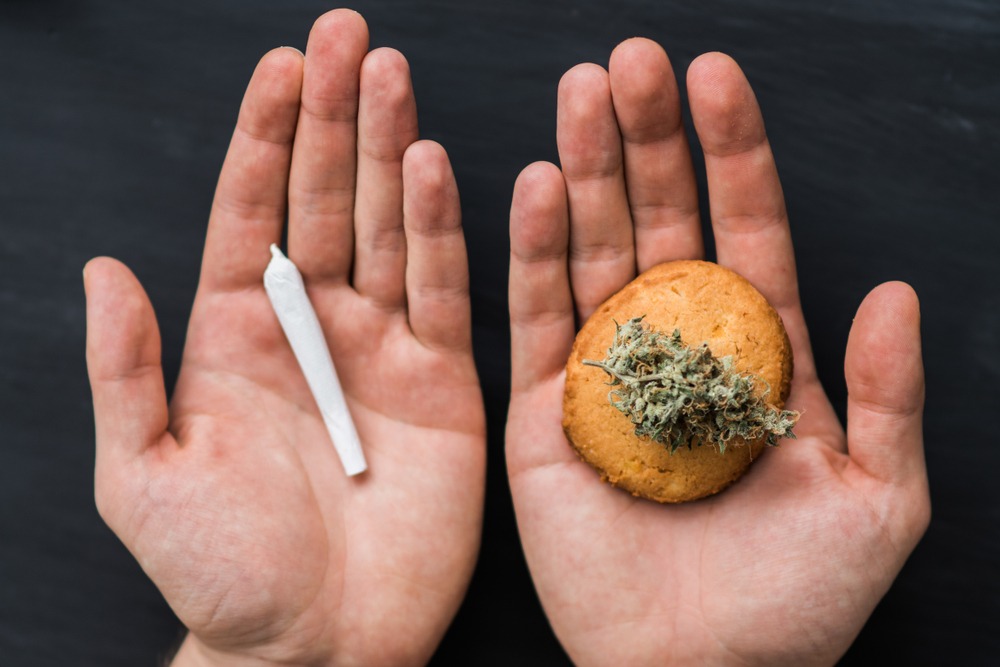
- Flower: The dried, cured bud of the cannabis plant. It can be smoked in a pipe or joint.
- Vaporizers (Vapes): These devices heat cannabis flower or oil to a temperature that releases cannabinoids and terpenes without combustion. Vaping is often considered a healthier alternative to smoking as it reduces the intake of tar and other carcinogens.
Oral & Ingestible Products
- Gummies and Chocolates: The most common types of edibles. They come in precise doses, making them easy to manage.
- Capsules and Softgels: These offer the benefits of edibles in a familiar, medical format. They contain cannabis oil and are swallowed like any other pill, providing discreet, long-lasting, and precisely-dosed relief.
- Tinctures: Liquid cannabis extracts that are administered with a dropper. Tinctures can be used sublingually (under the tongue) for faster absorption (15-45 minutes) or swallowed for a standard edible effect. This flexibility makes them a popular choice.
- Beverages: Cannabis-infused drinks are becoming more common, offering another discreet and enjoyable way to ingest cannabinoids.
Safety First: Key Considerations for Patients
Whether you choose to inhale or ingest, safety should always be your top priority. A consultation with a medical cannabis doctor in Massachusetts can help you understand these risks in the context of your personal health profile.
Pulmonary Health and Inhalation
Smoking any substance, including cannabis, involves inhaling burnt plant matter, tar, and potential carcinogens. This can lead to respiratory issues like chronic bronchitis. While cannabis smoke has not been definitively linked to lung cancer in the same way as tobacco, it is not without risk.
Vaporizing is widely seen as a form of harm reduction. By heating cannabis below the point of combustion, you inhale a vapor that is largely free of the toxins associated with smoke. For patients with respiratory concerns, vaping is a preferable inhalation method.
The Risks of Edible Overconsumption
As discussed, the primary risk with edibles is their delayed and potent effect. An overly intense experience from edibles can cause significant anxiety, paranoia, rapid heart rate, and disorientation. While not life-threatening, it is extremely unpleasant and can deter patients from continuing treatment. This is why starting with a very low dose is non-negotiable for beginners.
Accidental Ingestion and Safe Storage
Edibles often look like regular candy, baked goods, or drinks, posing a serious risk of accidental ingestion by children, pets, or unsuspecting adults. Safe storage is paramount.
- Keep all cannabis products in their original child-resistant packaging.
- Store them in a locked box or a high, out-of-reach cabinet.
- Never leave cannabis products out in the open.
- Educate family members about the products and their storage location.
The Legal and Clinical Context in Massachusetts
Navigating the rules around medical cannabis is crucial. The Holistic Center helps patients cut through the red tape of the Massachusetts Cannabis Control Commission (CCC) requirements.
Why Get a Massachusetts Medical Marijuana Card?
While recreational cannabis is legal for adults 21+ in Massachusetts, a medical card offers significant advantages for patients:
- Lower Costs: Medical cannabis is not subject to the same high excise taxes as recreational products.
- Higher Possession Limits: Medical patients can possess a 60-day supply (up to 10 ounces) of cannabis, compared to just one ounce for recreational users.
- Access to More Products: Medical menus often feature products with higher cannabinoid concentrations and formulations specifically designed for therapeutic use.
- Legal Protections: A medical card provides certain legal protections that recreational users do not have.
The process of how to get a medical marijuana card in Massachusetts is straightforward with the right guidance. It starts with a consultation with a certified physician who can determine if you have a qualifying condition.
The Role of Telehealth
In Massachusetts, initial certifications for a medical cannabis card must be conducted in person. However, subsequent yearly renewals can often be done via telehealth, offering convenience for established patients. At The Holistic Center, we provide both in-person evaluations at our Brighton and Newton locations and can advise on the requirements for renewals.
Decision Framework: Which Method for Which Symptom?
The “best” method is entirely dependent on your symptoms, lifestyle, and treatment goals. Here is a general framework to help guide your decision.
For Acute, Sudden Symptoms (e.g., Nausea, Panic Attacks, Breakthrough Pain)
Inhalation (Vaping Preferred) is often the superior choice.
- Why: The rapid onset (within minutes) provides immediate relief when you need it most. If you feel a migraine coming on or a sudden wave of anxiety, waiting two hours for an edible to work is not practical.
- Example: A cancer patient experiencing chemotherapy-induced nausea can take a puff from a vaporizer and feel relief quickly, allowing them to eat a meal.
For Chronic, All-Day Symptoms (e.g., Arthritis, Neuropathy, Persistent Anxiety)
Oral Ingestion (Edibles, Capsules, Tinctures) is generally more effective.
- Why: The long duration (4-8+ hours) provides sustained, steady relief from persistent conditions. Taking one edible in the morning can help manage arthritis pain throughout the workday without needing to re-dose frequently.
- Example: A patient with fibromyalgia can use a long-acting edible to manage widespread pain and fatigue, improving their overall quality of life.
For Sleep Disorders (e.g., Insomnia)
Oral Ingestion is typically the best option.
- Why: An edible or capsule taken an hour or two before bed will kick in as you are trying to fall asleep and, more importantly, its long duration will help you stay asleep through the night. The more sedative effects of 11-hydroxy-THC can be particularly beneficial for sleep.
- Example: Someone with insomnia caused by chronic pain can use an edible to address both the pain and the sleeplessness in one dose.
Combining Methods and Journaling for Optimal Therapy
You don’t have to choose just one method. Many patients find that a combination approach offers the most comprehensive relief.
For instance, a patient with chronic back pain might use a daily edible for baseline pain management and a vaporizer for moments of intense, breakthrough pain. This strategy, known as “stacking,” provides both long-lasting foundational relief and a tool for acute flare-ups.
To optimize your treatment, keep a symptom and dose journal. Track the following:
- The product you used (strain, cannabinoid content)
- The dose you took
- The time you took it and the method of consumption
- When you started to feel effects
- The intensity and duration of the effects
- The level of symptom relief you experienced
- Any side effects
This log will become an invaluable tool for you and your physician to fine-tune your regimen. At The Holistic Center, our Individual Medical Marijuana Treatment Plan (IMMTP) is designed around this kind of personalized data to help you achieve the best possible outcomes.
Common Mistakes and How to Avoid Them
- Taking More Edibles Too Soon: This is the #1 mistake. Solution: Wait at least two hours before even considering a second dose. Better yet, wait until the next day to try a slightly higher dose.
- Starting with a High Dose: A 10 mg edible might be a standard dose, but it’s too high for most beginners. Solution: Start with 1-2.5 mg. You can always take more, but you can’t take less.
- Choosing a Method That Doesn’t Match Your Goals: Using a short-acting vape for all-day chronic pain will require constant re-dosing. Solution: Match the method’s duration to your symptom pattern. Use edibles for chronic issues and inhalation for acute ones.
- Not Reading the Label: Products vary wildly in potency. Solution: Always check the THC and CBD content per serving. Understand the difference between the total cannabinoids in the package and the amount in a single dose.
Your Path to Relief with The Holistic Center
Choosing between edibles and smoking is a critical step in your medical cannabis journey. By understanding how each method works, you can tailor your approach to your specific needs and achieve consistent, effective symptom relief. The most important thing is to proceed with knowledge and caution, especially when starting.
You don’t have to navigate this process alone. The team of board-certified MDs at The Holistic Center, led by Dr. Michael Moore, is dedicated to providing compassionate and expert guidance. We specialize in helping Massachusetts residents understand their options and obtain a medical marijuana card quickly and easily. We will evaluate your condition, discuss your treatment goals, and help you create a personalized plan.
If you are ready to explore how medical cannabis can improve your quality of life, we are here to help.
Ready to find the right method for you? Make an appointment at our Brighton or Newton location today and let us help you start your treatment plan.
To learn more about our patient-centered approach, read about our founder, Dr. Moore.
Our Locations:
- Newton: 233 Needham St., Suite 300, Newton, MA 02464
- Brighton: 320 Washington Street, Brighton, MA 02135
Phone: 617-787-7400
Hours: Monday – Saturday, 9AM-7PM
Frequently Asked Questions (FAQ)
Q: Will a 10 mg edible feel the same as smoking 10 mg of THC?
A: No. A 10 mg edible will feel significantly stronger for most people because the liver converts THC into the more potent 11-hydroxy-THC. The effects will also be delayed and last much longer. Do not assume the doses are equivalent.
Q: Is vaping safer than smoking?
A: Vaping is generally considered a form of harm reduction compared to smoking because it avoids combustion, reducing the inhalation of tar and carcinogens. For patients with respiratory concerns, vaping is a better choice than smoking.
Q: Can I use both edibles and a vaporizer?
A: Yes, many patients use a combination strategy. For example, they might take an edible for long-lasting, baseline relief and use a vaporizer for acute, breakthrough symptoms. This “stacking” approach can be very effective.
Q: How long should I wait after taking an edible before driving?
A: You should never drive while impaired by cannabis, regardless of the consumption method. Because edibles can have a delayed onset of 2+ hours and effects that last for 8+ hours, you should not plan on driving for the rest of the day after taking an edible, especially when you are new to them.
Q: How can I get a medical card at The Holistic Center?
A: The process is simple. You can schedule an appointment online or by phone. Our certified physicians will perform an in-person evaluation to confirm you have a qualifying condition and, if approved, provide you with the certification needed to register with the state. We streamline the process to get you your The Holistic Center medical card certification efficiently.
Get Your Medical Cannabis Card Fast
Same-day approval available with easy telehealth or in-office visits. Certified providers, no hidden fees, and help every step of the way.
Start My Evaluation