Table of Contents
Living with pain can be debilitating, affecting every aspect of your life, from work and family to mental well-being. For many in Massachusetts, traditional pain management methods fall short, leading them to explore alternative options. Medical cannabis has emerged as a significant source of relief, but navigating the world of cannabinoids can be confusing. Two of the most well-known compounds, THC (tetrahydrocannabinol) and CBD (cannabidiol), both offer unique benefits for pain relief. But which one is right for you?
Understanding the differences between THC and CBD is crucial for creating an effective treatment plan. This guide will break down the science behind how they work, the types of pain they are best suited for, and how you can access them legally with a Massachusetts medical marijuana card. At The Holistic Center, we empower patients with the knowledge and support needed to find relief. Our board-certified physicians specialize in creating personalized cannabis treatment plans to improve your quality of life.
Understanding the Basics: THC vs. CBD
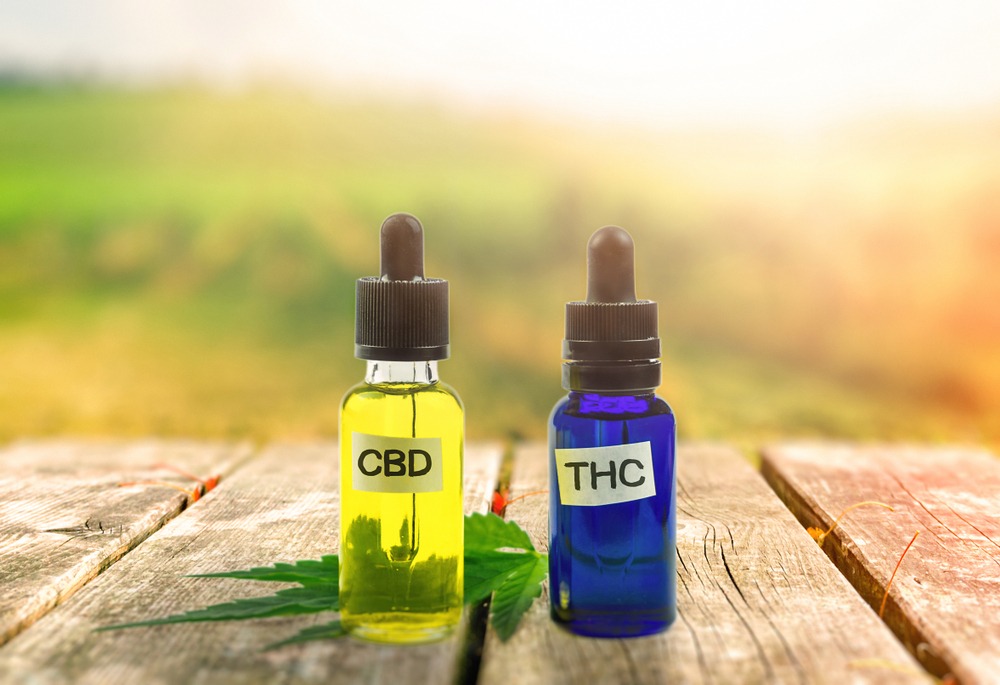
THC and CBD are the two most abundant cannabinoids found in the cannabis plant. While they come from the same source, they interact with your body in fundamentally different ways. This interaction is primarily through the endocannabinoid system (ECS), a complex network of receptors that helps regulate functions like pain, mood, appetite, and sleep.
What is THC (Tetrahydrocannabinol)?
THC is the primary psychoactive component of cannabis. It’s responsible for the “high” or euphoric sensation associated with marijuana use. THC works by binding directly to CB1 receptors, which are highly concentrated in the brain and central nervous system. This direct activation is what produces its potent analgesic (pain-relieving) and psychoactive effects.
Key characteristics of THC:
- Psychoactive: Causes euphoria, altered perception, and relaxation.
- Pain Relief: Directly activates pain-modulating pathways in the brain and spinal cord.
- Other Effects: Can stimulate appetite, reduce nausea, and act as a sleep aid.
What is CBD (Cannabidiol)?
CBD, on the other hand, is non-psychoactive. It does not produce a “high.” Instead of binding directly to CB1 receptors like THC, CBD has a more indirect influence on the endocannabinoid system. It can prevent the breakdown of the body’s own endocannabinoids, allowing them to have a more significant effect. It also interacts with other non-cannabinoid receptors involved in pain and inflammation, such as serotonin and vanilloid receptors.
Key characteristics of CBD:
- Non-Psychoactive: Does not cause intoxication or a “high.”
- Pain Relief: Works primarily by reducing inflammation and influencing pain signaling pathways.
- Other Effects: Known for its anti-anxiety, anti-seizure, and anti-inflammatory properties. It can also counteract some of the unwanted psychoactive effects of THC.
How Do THC and CBD Work for Different Types of Pain?
Pain is not a one-size-fits-all experience. It can be acute (short-term) or chronic (long-lasting), and it stems from various sources. THC and CBD target different mechanisms, making them suitable for different kinds of pain. Consulting with a medical cannabis doctor in Massachusetts is the best way to determine which cannabinoid or ratio is appropriate for your specific condition.
Neuropathic Pain
Neuropathic pain, or nerve pain, results from damage or dysfunction of the nervous system. It is often described as shooting, burning, or stabbing pain and can be caused by conditions like diabetic neuropathy, multiple sclerosis (MS), shingles, or spinal cord injuries.
- THC for Neuropathic Pain: Research suggests THC is particularly effective for neuropathic pain. Its ability to activate CB1 receptors in the central nervous system can interrupt the pain signals being sent to the brain. Many patients with conditions like MS find that THC-dominant products help manage the spasticity and nerve pain that other medications cannot touch.
- CBD for Neuropathic Pain: CBD also plays a role by reducing neuroinflammation—the inflammation of nervous tissue—which is a key contributor to neuropathic pain. When used in combination with THC, CBD can enhance the overall analgesic effect while mitigating potential side effects like anxiety or paranoia.
Inflammatory Pain
Inflammatory pain is caused by an overactive immune response, leading to swelling, stiffness, and pain. This is the hallmark of conditions like rheumatoid arthritis, Crohn’s disease, and other autoimmune disorders.
- CBD for Inflammatory Pain: CBD is a powerful anti-inflammatory agent. It works by inhibiting inflammatory molecules and interacting with immune cells to calm the body’s inflammatory response. For conditions where inflammation is the primary driver of pain, such as arthritis, CBD-dominant therapies can be highly effective without causing intoxication.
- THC for Inflammatory Pain: THC also has anti-inflammatory properties, though its mechanism is different from CBD’s. It can be beneficial for managing the pain perception associated with inflammation, offering more immediate relief while CBD works on the underlying cause. A balanced THC:CBD ratio is often recommended for inflammatory conditions.
Musculoskeletal and Nociceptive Pain
Nociceptive pain is caused by tissue damage, such as a broken bone, a cut, or muscle strain. Musculoskeletal pain includes conditions like fibromyalgia, back pain, and arthritis.
- THC and CBD Together: This type of pain often responds well to a combination approach. THC can help by altering the brain’s perception of pain, making it feel less intense. It also works as a muscle relaxant, which is beneficial for muscle spasms and tension-related back pain. Meanwhile, CBD can target any underlying inflammation and help reduce overall pain sensitivity. Patients with fibromyalgia, for example, often report success with balanced formulations that address both widespread pain and sleep disturbances.
Getting Your Massachusetts Medical Marijuana Card
To legally access and use medical-grade THC and CBD products for pain, you must obtain a MA medical cannabis card. The process can seem daunting, but The Holistic Center simplifies it for you. We provide a streamlined path to certification, guided by compassionate and knowledgeable physicians.
How to Get a Medical Marijuana Card in Massachusetts
- Determine Your Eligibility: You must be a Massachusetts resident with a qualifying medical condition. While the state lists specific conditions, the law also allows physicians to certify patients for other debilitating conditions if they believe medical cannabis could provide relief. Chronic pain is a widely accepted reason for certification.
- Schedule an Evaluation: The first step is to book an appointment with a certified physician. You can easily make an appointment with The Holistic Center at our Newton or Brighton locations.
- Meet with a Medical Cannabis Doctor: During your evaluation, you will meet with one of our board-certified MDs. They will review your medical records and discuss your symptoms and health goals. This is your opportunity to ask questions about THC, CBD, and how they might help your specific type of pain.
- Receive Your Certification: If approved, our physician will provide you with an instant official certificate. This allows you to immediately register with the state’s Medical Use of Marijuana Program online. The Holistic Center team can guide you through this process.
- Visit a Dispensary: Once your registration is complete, you can visit a licensed medical dispensary in Massachusetts to purchase your recommended cannabis products.
At The Holistic Center, we believe in a holistic approach. Under the guidance of experts like Dr. Michael Moore, who blends traditional and holistic medicine, we don’t just provide a certificate—we provide a plan. We can help you develop an Individual Medical Marijuana Treatment Plan (IMMT-P) tailored to your needs.
Dosing Strategies: Finding the Right Balance
Cannabis is not a one-dose-fits-all medicine. Finding the right product, dose, and ratio of THC to CBD is a personal journey that often requires experimentation. The mantra “start low and go slow” is essential.
THC:CBD Ratios
Many medical cannabis products are formulated with specific ratios of THC and CBD. Understanding these can help you find the right balance of therapeutic effects and manageable psychoactivity.
- CBD-Dominant (e.g., 20:1 CBD:THC): Ideal for individuals highly sensitive to THC or those seeking relief from inflammation, anxiety, or seizures without intoxication.
- Balanced (1:1 CBD:THC): A popular choice for chronic pain. The CBD helps counteract the psychoactivity of THC, while the combination—known as the “entourage effect”—often provides more comprehensive pain relief than either cannabinoid alone.
- THC-Dominant (e.g., 20:1 THC:CBD): Suited for severe or neuropathic pain, nausea, or poor appetite. This is best for experienced users or those who are comfortable with THC’s psychoactive effects.
Microdosing for Pain and Focus
Microdosing involves taking very small, sub-perceptual doses of cannabis (usually THC-dominant products) throughout the day. The goal is not to feel “high,” but to achieve subtle relief from pain, anxiety, and inflammation without impairing cognitive function. This can be an excellent strategy for managing chronic pain while maintaining productivity and focus.
Titration: Adjusting Your Dose Over Time
Titration is the process of gradually adjusting your dose to find your “minimum effective dose”—the smallest amount needed to achieve the desired therapeutic effect with the fewest side effects. A medical cannabis doctor can help you create a titration schedule, which might involve starting with a low dose of a balanced or CBD-dominant product and slowly increasing it over days or weeks until you find relief.
Choosing the Right Product Form
The way you consume cannabis significantly impacts its effects, including how quickly it works and how long it lasts. Getting a The Holistic Center medical card gives you access to a wide variety of product forms designed for medical use.
- Inhalation (Vaporization):
- Onset: Nearly immediate (1-5 minutes).
- Duration: 2-4 hours.
- Best for: Acute pain flare-ups that require fast relief. Vaporizing is a healthier alternative to smoking as it heats the cannabis without combustion, reducing carcinogens.
- Edibles (Gummies, Capsules, Chocolates):
- Onset: 30 minutes to 2 hours.
- Duration: 4-8 hours or longer.
- Best for: Long-lasting, consistent relief from chronic pain, especially for helping with sleep through the night. Dosing must be done carefully due to the delayed onset and potent effects.
- Tinctures (Sublingual Oils):
- Onset: 15-45 minutes.
- Duration: 4-6 hours.
- Best for: A good middle ground. Tinctures are placed under the tongue, allowing for faster absorption than edibles but longer-lasting effects than inhalation. They also allow for precise dosing.
- Topicals (Creams, Balms, Salves):
- Onset: 15-30 minutes.
- Duration: 2-4 hours.
- Best for: Localized pain, such as arthritis in the hands or knees, or muscle soreness. Cannabinoids are absorbed through the skin to interact with local receptors, providing relief without any psychoactive effects.
Navigating the Legal Landscape in Massachusetts
While cannabis is legal for adults 21 and over in Massachusetts, having a medical marijuana card offers distinct advantages, especially for pain patients.
- Higher Possession Limits: Medical patients can possess up to a 60-day supply (10 ounces) of cannabis, compared to one ounce for recreational users.
- Lower Costs: Medical cannabis is not subject to the same high excise taxes as recreational products, saving you money.
- Access to More Potent Products: Medical dispensaries often carry products with higher cannabinoid concentrations designed for therapeutic use.
- Legal Protections: A MA medical cannabis card provides certain legal protections regarding employment and housing (though limitations apply).
- Expert Guidance: The medical program connects you with a medical cannabis doctor in Massachusetts who can provide professional guidance tailored to your health needs.
The Holistic Center’s expert physicians are well-versed in Massachusetts law and stay updated on all Cannabis Control Commission (CCC) requirements. We ensure our patients are certified correctly and understand their rights and responsibilities.
Real-World Patient Scenarios: THC vs. CBD
Let’s look at a few hypothetical patient scenarios to illustrate when one cannabinoid might be preferred over another.
- Scenario 1: Sarah, a 45-year-old with Fibromyalgia
- Symptoms: Widespread musculoskeletal pain, fatigue, and insomnia.
- Recommendation: Sarah could benefit from a two-pronged approach. A balanced 1:1 THC:CBD tincture taken in the morning and afternoon could help manage daytime pain without significant impairment. In the evening, a THC-dominant edible could provide profound pain relief and promote restful sleep.
- Scenario 2: David, a 65-year-old with Osteoarthritis in his Knees
- Symptoms: Localized joint pain, stiffness, and inflammation.
- Recommendation: David wants pain relief without any psychoactive effects. A high-potency CBD topical applied directly to his knees throughout the day could reduce local inflammation and pain. He might also take a daily CBD-dominant capsule to manage systemic inflammation.
- Scenario 3: Maria, a 30-year-old with Multiple Sclerosis
- Symptoms: Severe neuropathic pain and muscle spasticity.
- Recommendation: Maria’s symptoms are driven by her nervous system. A THC-dominant product would likely be most effective. She could use a vaporizer for immediate relief from painful spasms and use a THC-rich tincture for more sustained, background pain control. The addition of some CBD could help temper the “high” and add anti-inflammatory benefits.
Frequently Asked Questions (FAQs)
Q: Will CBD show up on a drug test?
A: Most drug tests screen for THC, not CBD. However, some full-spectrum CBD products contain trace amounts of THC (up to 0.3%) which, with heavy use, could potentially trigger a positive result. If you are subject to drug testing, it is safest to use CBD isolate or broad-spectrum products that are certified THC-free.
Q: Can I become addicted to THC or CBD?
A: CBD is considered non-addictive. While THC is not physically addictive in the same way as opioids, some individuals can develop a psychological dependence, known as Cannabis Use Disorder. This is characterized by continued use despite negative consequences. Practicing mindful consumption and taking tolerance breaks can help mitigate this risk.
Q: What are the main side effects of THC and CBD?
A: THC’s most common side effects include dry mouth, red eyes, increased heart rate, coordination problems, and anxiety or paranoia (especially at high doses). CBD is generally well-tolerated, but side effects can include fatigue, diarrhea, and changes in appetite or weight. Both can interact with other medications, so it is vital to speak with a doctor.
Q: Can I drive after using medical cannabis?
A: No. It is illegal and unsafe to operate a vehicle under the influence of cannabis in Massachusetts, regardless of whether it is used medically or recreationally. THC impairs judgment, coordination, and reaction time.
Q: Where can I get a medical marijuana card in the Boston area?
A: The Holistic Center has two convenient locations to serve you. You can find us in Newton at 233 Needham St., Suite 300, Newton, MA 02464, or in Boston at 320 Washington Street, Brighton, MA 02135. Our team is ready to help you start your journey to relief.
Conclusion: Take the Next Step Toward Pain Relief
The debate of THC vs. CBD for pain relief isn’t about choosing a winner. It’s about understanding that they are different tools for different jobs.
- THC excels at managing severe, neuropathic pain and altering the brain’s perception of pain.
- CBD is a powerful anti-inflammatory agent, ideal for pain driven by inflammation, without causing intoxication.
- Combined, they often work best, providing comprehensive relief through the entourage effect.
Living with chronic pain is a challenge, but you don’t have to face it alone. The best way to determine the right approach for your pain is to consult with a professional. The board-certified physicians at The Holistic Center are dedicated to helping Massachusetts patients find safe, effective, and legal relief through medical cannabis.
We handle the entire process, from evaluation to certification, with compassion and expertise. If you’re ready to explore how medical cannabis can improve your quality of life, take the first step today.
Ready to find your path to relief? Make an appointment online or call us at 617-787-7400. Let our team at The Holistic Center help you build a personalized treatment plan and get the relief you deserve.
Get Your Medical Cannabis Card Fast
Same-day approval available with easy telehealth or in-office visits. Certified providers, no hidden fees, and help every step of the way.
Start My Evaluation