Table of Contents
The chronic pain, stiffness, and inflammation of arthritis can make everyday activities feel like monumental challenges. Whether it’s the degenerative wear-and-tear of osteoarthritis or the autoimmune attack of rheumatoid arthritis, the impact on your quality of life is profound. While traditional treatments like NSAIDs, DMARDs, and physical therapy are the bedrock of care, many patients in Massachusetts are seeking complementary options to manage their symptoms. This has led to a surge of interest in medical marijuana for arthritis pain relief.
If you’re one of the millions of people living with arthritis, you might be wondering if cannabis can help and how you can legally access it in Massachusetts. The answer is promising. Medical cannabis is emerging as a powerful tool for managing both pain and inflammation, and the process of getting certified is more straightforward than you might think. This guide will cover everything from qualifying for a card to choosing the right products and using them safely.
Table of Contents
- Can Arthritis Qualify for a Medical Marijuana Card in MA?
- Understanding Arthritis as a “Debilitating Condition”
- A Patient’s Story: Carol’s Experience with Osteoarthritis
- How to Get a Medical Marijuana Card for Arthritis in Massachusetts
- What to Bring: Documentation for Your Evaluation
- Why Choose The Holistic Center for Your Arthritis Care?
- A Practical Guide to Cannabis for Arthritis Relief
- Safe Cannabis Use: Risks, Interactions, and Important Laws
- Take the Next Step Toward Managing Your Arthritis Pain
- Frequently Asked Questions About Cannabis for Arthritis
Can Arthritis Qualify for a Medical Marijuana Card in MA?
Yes, arthritis can absolutely qualify you for a Massachusetts medical marijuana card. While arthritis itself is not one of the specifically enumerated conditions like cancer or HIV/AIDS, Massachusetts law includes a vital provision for physicians. A certified medical cannabis doctor can recommend a patient for any “other debilitating condition“ if they believe the patient could benefit from its therapeutic use.
This is where conditions like severe osteoarthritis and rheumatoid arthritis fit in. The chronic pain, significant inflammation, joint stiffness, and reduced mobility associated with arthritis are classic examples of debilitating symptoms. The decision to certify rests with a qualified physician who will evaluate your specific case. They will assess how your arthritis impacts your daily activities and determine if the potential benefits of using medical cannabis outweigh any potential risks.
Understanding Arthritis as a “Debilitating Condition”
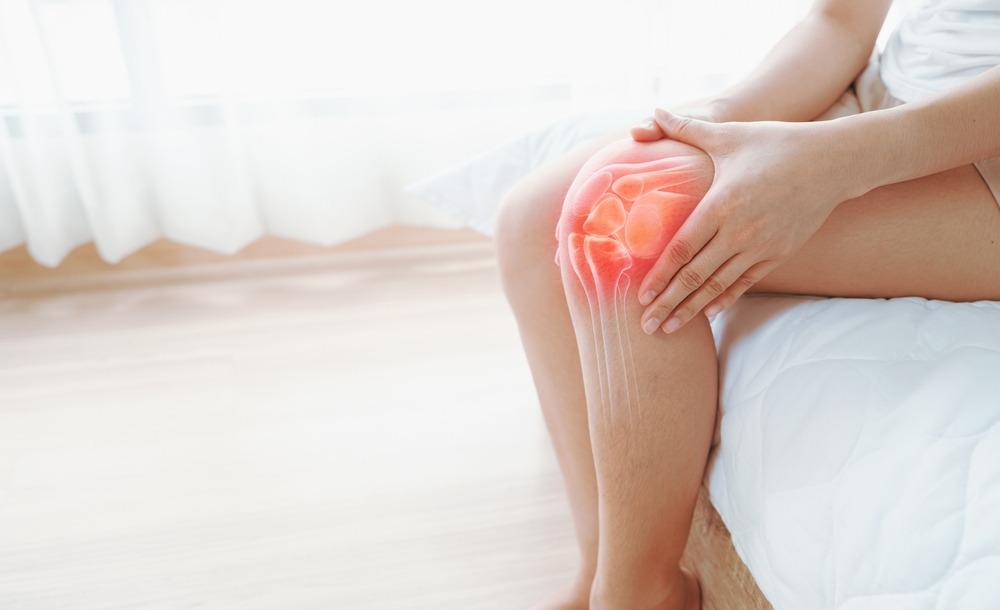
To obtain your MA medical cannabis card, your physician must agree that your arthritis is “debilitating.” This medical term signifies that your condition severely interferes with your health and ability to function. For arthritis patients, this can manifest in numerous ways:
- Chronic and Severe Pain: A constant, aching pain in the joints (hands, knees, hips, back) that is not fully managed by over-the-counter or prescription medications.
- Significant Inflammation: Noticeable swelling, redness, and warmth in the affected joints, a hallmark of both rheumatoid arthritis and inflammatory osteoarthritis.
- Joint Stiffness and Reduced Range of Motion: Morning stiffness that lasts for more than 30 minutes, or difficulty performing tasks like buttoning a shirt, opening a jar, or walking up stairs.
- Poor Sleep Quality: Pain and discomfort that frequently interrupt sleep, leading to fatigue and a lower pain threshold during the day.
- Impact on Mobility and Independence: Difficulty walking, standing for long periods, or engaging in work and recreational activities, leading to a more sedentary and isolated lifestyle.
- Side Effects from Other Medications: For some, the debilitating aspect also includes the negative side effects of long-term NSAID or opioid use, for which cannabis may be a safer alternative.
During your evaluation, it is vital to communicate the full extent of this impact. Explaining how your arthritis limits you helps the physician understand why medical cannabis could be a reasonable and compassionate treatment option.
A Patient’s Story: Carol’s Experience with Osteoarthritis
This narrative is a representative example based on common patient journeys and is not an actual patient case.
Carol, a 67-year-old retired teacher from Brighton, had been managing osteoarthritis in her knees and hands for over 15 years. Her life, once active with gardening and grandchildren, had become increasingly limited. “My hands ached so much I couldn’t knit anymore, and my knees made going up and down the stairs a dreaded chore,” she explained. “I was taking the maximum dose of ibuprofen daily, but my doctor was worried about my stomach and kidneys.”
Her daughter suggested she look into medical cannabis after reading about its anti-inflammatory properties. Carol was hesitant, having never considered cannabis in her life. “I thought it was just for getting high, and that’s not what I wanted,” she admitted. But the pain was relentless, so she decided to learn more and booked a consultation at The Holistic Center.
She met with a compassionate physician who patiently answered all her questions. Carol explained her pain, her stiffness, and her fears about both her condition and trying cannabis. The doctor validated her concerns and explained how products like CBD-rich topicals and low-dose edibles could provide relief without significant psychoactive effects. After a thorough evaluation, the doctor certified her, confirming her osteoarthritis was a debilitating condition.
Carol started with a high-CBD topical cream for her hands and a low-dose 2:1 (CBD:THC) tincture at night. “The relief in my hands was the first thing I noticed,” she reported a few weeks later. “The swelling went down, and I could grip things again. The tincture helped me sleep through the night without my knees waking me up. It hasn’t cured me, but it has given me back my days. I’m gardening again, and that means everything to me.”
How to Get a Medical Marijuana Card for Arthritis in Massachusetts
Navigating the process for a medical card might seem daunting, but it’s a regulated and clear-cut procedure. The team at The Holistic Center is dedicated to guiding patients through every step with clarity and support.
Step 1: Gather Your Medical History
Before your appointment, collect any relevant medical records. This could include a letter from your rheumatologist or primary care physician confirming your arthritis diagnosis, a list of medications you’ve tried (like NSAIDs, DMARDs, or biologics), and any imaging reports (like X-rays). This information helps your certifying doctor get a complete picture of your health.
Step 2: Schedule a Consultation with a Certified Doctor
The law requires an evaluation by a Massachusetts-licensed physician who is registered with the Cannabis Control Commission (CCC). These doctors have the specialized knowledge required to certify patients for medical cannabis use. You can easily Make an Appointment with a board-certified physician at The Holistic Center for a confidential consultation.
Step 3: The Medical Evaluation
During your appointment, the doctor will review your records and have an in-depth conversation about your arthritis. You’ll discuss your pain levels, stiffness, how it affects your mobility and sleep, and what you hope to achieve with medical cannabis. The physician will then make a professional judgment on whether your condition is debilitating and if cannabis is a suitable treatment option.
Step 4: Instant Certification
Upon approval, your doctor will certify you in the Massachusetts Medical Use of Marijuana Program online system. You will receive a Program ID number and a temporary registration form almost immediately. This temporary ID allows you to visit a medical dispensary and purchase your medicine that same day.
Step 5: Complete Your State Registration
Using the Program ID provided by your doctor, you will need to log into the CCC’s online portal to complete your registration. You will need a valid MA state ID or driver’s license and a current photograph. Once approved by the state, your official physical MA medical cannabis card will be mailed to you within 1-2 weeks.
Renewal, Costs, and Timelines
- Timeline: You can get certified and purchase from a dispensary on the same day. Your physical card will arrive shortly after.
- Renewal: Your certification is valid for one year. You must complete a renewal consultation with a certified doctor annually to maintain your patient status.
- Cost: The total cost includes the physician’s evaluation fee and any applicable state fees. The price of the evaluation reflects the doctor’s expertise and the comprehensive support provided by the clinic. Contact us for details on our current fee structure.
What to Bring: Documentation for Your Evaluation
To ensure a smooth and efficient certification appointment, it helps to be prepared. Consider bringing the following:
- A letter or medical record confirming your diagnosis of osteoarthritis or rheumatoid arthritis.
- A list of current and past medications used to treat your arthritis.
- Records of other treatments you have undergone, such as physical therapy or joint injections.
- A valid, government-issued Massachusetts ID.
If you have difficulty accessing these records, don’t let that stop you. The experienced physicians at The Holistic Center, like Dr. Michael Moore, can often make a diagnosis and certification based on a comprehensive clinical evaluation and patient history.
Why Choose The Holistic Center for Your Arthritis Care?
When you are managing chronic pain, you deserve a healthcare partner who is knowledgeable, compassionate, and makes the process simple. The Holistic Center was created to provide exactly that for Massachusetts residents.
We go beyond just providing a medical card; we offer a partnership in your wellness journey.
- Expert Physicians: Our team consists of board-certified MDs who are experts in both conventional medicine and the therapeutic application of cannabis. Dr. Michael Moore is a respected practitioner known for his ability to integrate holistic methods to achieve the best patient outcomes.
- Compassionate, Patient-Centered Care: We provide a welcoming and judgment-free space for you to discuss your health concerns. We listen to your story and help you decide if cannabis is the right choice for your arthritis.
- A Streamlined, Hassle-Free Process: We handle the bureaucratic hurdles. Our process is designed to be as simple as possible, from your initial evaluation to instant certification, so you can focus on your health.
- Personalized Treatment Guidance: Your certification is just the beginning. We can help you Start Your Treatment Plan, providing crucial advice on the right products, dosing, and methods to effectively manage your arthritis symptoms.
Visit Us for a Consultation:
Our Boston Location:
320 Washington Street
Brighton, MA 02135
Our Newton Location:
233 Needham St., Suite 300
Newton, MA 02464
Patient Hours:
Monday – Saturday: 9 AM – 7 PM
Sunday: Closed
Phone: 617-787-7400
A Practical Guide to Cannabis for Arthritis Relief
Finding the right cannabis regimen for arthritis requires a thoughtful approach. The goal is to reduce pain and inflammation while maintaining clarity and function.
THC vs. CBD: A Powerful Combination
- CBD (Cannabidiol): This non-psychoactive compound is a powerhouse for arthritis. It is well-regarded for its potent anti-inflammatory properties. It can help reduce joint swelling and also has analgesic (pain-relieving) effects.
- THC (Tetrahydrocannabinol): This is the compound that causes the “high.” THC is a very effective pain reliever, as it changes the brain’s perception of pain. In low doses, it can also provide a mood lift that helps cope with chronic pain.
- The Entourage Effect: Most patients with arthritis find the greatest relief from products containing both CBD and THC. CBD can help balance the psychoactive effects of THC, and together they work synergistically to fight pain and cannabis for inflammation more effectively than either can alone. A product with a high ratio of CBD to THC (e.g., 5:1 or 10:1) is often an excellent starting point.
Product Types for Targeted Relief
- Topicals for Arthritis: Creams, balms, and salves infused with cannabis are ideal for localized arthritis pain, like in the hands, knees, or shoulders. When applied to the skin, cannabinoids interact with local receptors to reduce pain and inflammation directly at the source, without causing any psychoactive effects. This is a very safe and effective entry point for many patients.
- Tinctures and Oils: These are taken under the tongue and provide systemic relief. They offer precise dosing control, which is critical for finding your ideal therapeutic window. The effects begin in about 15-45 minutes and last for several hours.
- Edibles: Gummies, capsules, and other edibles provide long-lasting pain relief (4-8 hours), making them great for overnight use to improve sleep or for all-day background pain management. The key is to start with a very low dose (1-2.5 mg of THC) and wait at least two hours to feel the full effect before considering more.
- Microdosing: This practice involves taking a very small, sub-perceptual amount of cannabis (e.g., 1-2.5mg of THC) throughout the day. For arthritis sufferers, microdosing can help keep pain and inflammation at bay without causing impairment, allowing for normal daily function.
Terpenes for Pain and Inflammation
Terpenes are aromatic compounds in cannabis that also have therapeutic effects. Look for products and strains rich in:
- Caryophyllene: Has potent anti-inflammatory and analgesic properties.
- Myrcene: Known for its sedative and muscle-relaxant effects, helpful for pain and sleep.
- Limonene: Can elevate mood and provide stress relief, which is beneficial when coping with chronic pain.
Safe Cannabis Use: Risks, Interactions, and Important Laws
Using medical cannabis safely and responsibly is paramount, especially for older adults or those with complex medical conditions.
Safe Use for Seniors
Seniors can be more sensitive to the effects of cannabis, particularly THC. The “start low, go slow” approach is essential. Begin with CBD-rich products or topicals to minimize psychoactive risks. It is also important to clear clutter at home to reduce the risk of falls if you experience dizziness.
Drug Interactions (NSAIDs, DMARDs)
Cannabis is generally considered safe, but it can interact with other medications.
- NSAIDs (Ibuprofen, Naproxen): While major adverse interactions are rare, both cannabis and NSAIDs can have blood-thinning properties. Discuss this with your doctor if you take high doses of NSAIDs or other blood thinners like Warfarin.
- DMARDs and Biologics: Cannabis may complement these treatments by providing additional anti-inflammatory and pain-relieving effects. However, always inform your rheumatologist that you are using medical cannabis so they can monitor your progress appropriately.
Cannabis and Driving in Massachusetts
It is illegal and unsafe to drive while impaired by cannabis. The impairing effects of THC can last for several hours after use. As a medical patient, you have the right to possess and use cannabis, but you do not have the right to drive under its influence. Always wait several hours after inhaling or even longer after taking edibles before getting behind the wheel.
Safe Storage at Home
If you have children, grandchildren, or pets at home, safe storage is non-negotiable. Keep all cannabis products in their original child-resistant packaging and store them in a locked box or cabinet, out of sight and reach. Treat them with the same caution as you would any prescription medication.
Take the Next Step Toward Managing Your Arthritis Pain
Living with arthritis pain can be a daily battle, but you don’t have to fight it with a limited toolkit. Medical cannabis offers a promising, natural option for reducing inflammation, easing pain, and improving your overall quality of life. With the guidance of a compassionate medical cannabis doctor in Massachusetts, you can learn to use it safely and effectively.
The process of getting your medical card is designed to ensure patients get the help they need. If you’re ready to explore this path, The Holistic Center is here to guide you.
Take control of your comfort and mobility. Make an Appointment with The Holistic Center today for your confidential evaluation.
Frequently Asked Questions About Cannabis for Arthritis
Are topicals really effective for deep joint pain like in the hip?
While **topicals for arthritis** are most effective for joints closer to the skin’s surface (hands, knees, elbows), many patients do report a degree of relief for deeper pain. This may be due to the potent anti-inflammatory effects. For deep joint pain like in the hip or back, a systemic product like a tincture or edible is often used in combination with a topical.
Which is better for arthritis, osteoarthritis or rheumatoid arthritis?
Cannabis can be beneficial for both. For **osteoarthritis**, it primarily helps by managing pain and localized inflammation. For **rheumatoid arthritis**, its systemic anti-inflammatory and immune-modulating properties may be particularly beneficial, in addition to its pain-relieving effects.
Can I become addicted to medical marijuana?
While cannabis is not physically addictive in the same way as opioids, a psychological dependence (Cannabis Use Disorder) is possible. Responsible medical use under a doctor’s guidance, focusing on the lowest effective dose, significantly reduces this risk. If you have concerns, discuss them with your physician.
Will my insurance cover the cost of a medical marijuana card or products?
No. Because cannabis is still federally illegal, insurance companies do not cover the cost of physician evaluations, state fees, or cannabis products purchased at a dispensary.
What’s the difference between buying cannabis at a medical vs. recreational dispensary?
As a medical patient, you have access to higher possession limits, lower taxes, and often a wider range of products designed for therapeutic use. You also benefit from the guidance of a certifying physician and dispensary staff who are trained to serve patient needs.
Get Your Medical Cannabis Card Fast
Same-day approval available with easy telehealth or in-office visits. Certified providers, no hidden fees, and help every step of the way.
Start My Evaluation