Table of Contents
It is hard to find a topic more shrouded in rumor, stigma, and conflicting information than medical marijuana. For decades, cannabis was culturally defined by “Reefer Madness” propaganda, stoner comedies, and the War on Drugs. Today, despite being legal for medical use in 38 states, those old shadows linger.
If you are considering medical cannabis for a condition like chronic pain, anxiety, or insomnia, you probably have questions. You might be skeptical. You might be worried about what your family will think, or if it will make you feel “out of control.” These are valid concerns, but they are often fueled by myths rather than medical reality.
At The Holistic Center, we believe that informed patients make the best decisions. We are not just here to hand out certifications; we are here to provide clarity. In this comprehensive guide, we are taking the most persistent myths we hear in our exam rooms and putting them to the test against current medical science and clinical experience.
Let’s clear the smoke and look at the facts.
Myth #1: “Medical Marijuana is Just an Excuse to Get High”
This is perhaps the most pervasive myth of all. Critics often assume that anyone seeking a medical card is just looking for a legal loophole to use drugs recreationally.
The Doctor’s Reality
The difference between recreational and medical use lies in intent, dosage, and chemical profile.
When you use cannabis medically, the goal is symptom relief, not intoxication. Many medical patients use products that produce zero “high” whatsoever. This is largely thanks to CBD (Cannabidiol), a non-intoxicating compound found in the plant.
Furthermore, even when using THC (the psychoactive component), medical protocols are vastly different from recreational habits.
- Microdosing: Many patients take 2.5mg or 5mg of THC—a dose that provides pain relief or anxiety reduction without impairing cognitive function.
- Specific Strains: Medical patients often choose strains based on terpene profiles (like Myrcene for sleep or Limonene for mood) rather than just looking for the highest THC percentage.
For someone undergoing chemotherapy, suffering from MS spasms, or battling PTSD, cannabis is not a party drug. It is a lifeline that allows them to function, eat, and sleep.
Myth #2: “You Have to Smoke It to Use It”
The image of the “joint” is iconic, but it is increasingly outdated in the medical world. Many new patients are turned off by the idea of smoking. They worry about lung health or the smell sticking to their clothes.
The Doctor’s Reality
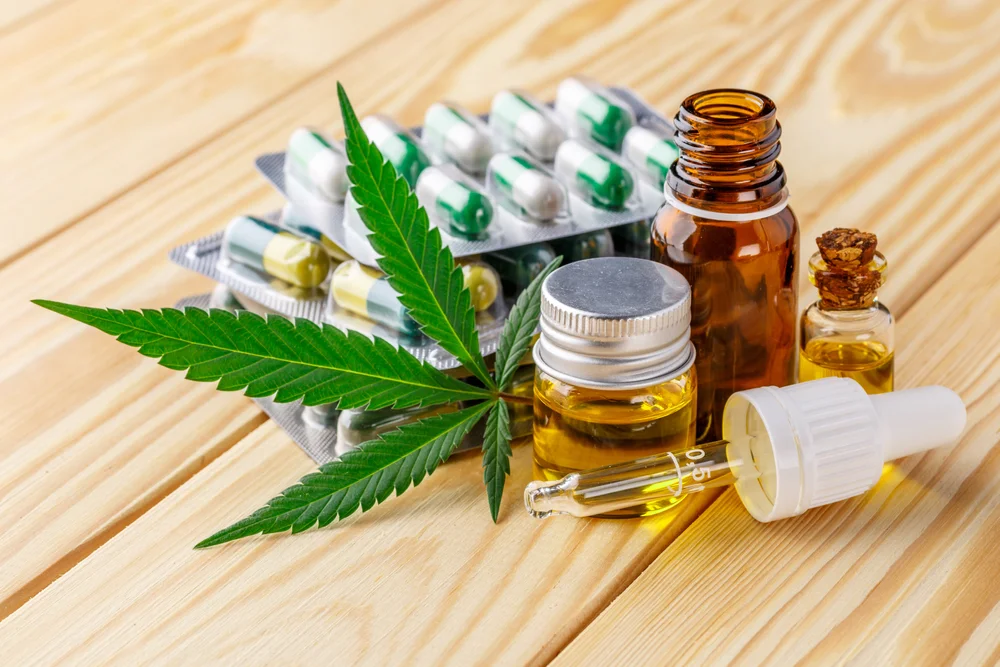
Smoking is just one of many delivery methods, and for many doctors, it is the least recommended one. The modern medical cannabis market offers a pharmaceutical-grade variety of options that are discreet, smokeless, and precise.
- Tinctures: Liquid extracts dropped under the tongue. They are easy to dose and take effect in 15–30 minutes.
- Capsules: Just like taking a vitamin or any other medication.
- Topicals: Lotions and balms that you rub directly on a painful knee or back. These do not enter the bloodstream, meaning they cannot get you high at all.
- Edibles: Gummies or lozenges that provide long-lasting relief (6–8 hours), perfect for sleeping through the night.
- Vaporization: Heating the flower or oil just enough to release the active compounds without burning the plant matter. This eliminates the harmful byproducts of combustion (smoke/tar).
When we create Personalized Cannabis Treatment Plans, we tailor the method to your lifestyle. If you don’t want to smoke, you never have to.
Myth #3: “Cannabis kills brain cells and makes you stupid”
We have all heard the stereotype of the “burnout”—forgetful, slow, and unmotivated. This myth stems largely from a controversial study in the 1970s involving rhesus monkeys that was later debunked due to flawed methodology (the monkeys were essentially suffocated, depriving their brains of oxygen).
The Doctor’s Reality
Recent science paints a much more complex picture. While heavy, chronic use of high-THC cannabis in adolescents (whose brains are still developing) can impact cognitive development, the data for adults is different.
In fact, some research suggests cannabinoids might be neuroprotective.
- Dementia and Alzheimer’s: Studies are exploring how low doses of THC might help remove toxic amyloid plaques in the brain associated with Alzheimer’s disease.
- Traumatic Brain Injury: The US government actually holds a patent (Patent No. 6,630,507) on cannabinoids as antioxidants and neuroprotectants, suggesting they could limit neurological damage following stroke or trauma.
For medical patients using controlled doses, “brain fog” is rarely a long-term issue. In fact, for patients with severe pain or insomnia, cannabis often improves cognitive function by allowing them to get restorative sleep and reducing the distraction of constant pain.
Myth #4: “It is a Gateway Drug”
The “Gateway Theory” suggests that using cannabis inevitably leads to using harder drugs like cocaine or heroin. This has been the cornerstone of anti-drug policy for decades.
The Doctor’s Reality
The majority of cannabis users never progress to harder substances. Correlation does not equal causation. People who use hard drugs may have used cannabis first, but they also likely used alcohol and tobacco first.
In the medical community, we are actually seeing cannabis act as an “Exit Drug.”
- Opioid Reduction: In states with medical marijuana laws, opioid prescription rates and overdose deaths tend to drop. Patients are using cannabis to taper off addictive painkillers like OxyContin or Vicodin.
- Benzodiazepine Reduction: Patients using Xanax or Valium for anxiety are often able to switch to cannabis, which carries a lower risk of physical dependency and fatal overdose.
By providing a safer alternative for pain and anxiety management, medical marijuana prevents many patients from ever needing to start highly addictive pharmaceuticals.
Myth #5: “Marijuana is Addictive and Dangerous”
Is cannabis addictive? Yes, it can be. Is it “dangerous” in the same vein as alcohol or opioids? The data suggests otherwise.
The Doctor’s Reality
Cannabis Use Disorder (CUD) is a real diagnosis, characterized by a dependence on cannabis despite negative impacts on one’s life. It is estimated that about 9% of users develop a dependency.
However, let’s compare that to other legal substances:
- Alcohol: ~15% addiction rate.
- Tobacco: ~32% addiction rate.
- Opioids: ~25% addiction rate.
Furthermore, the withdrawal symptoms from cannabis (irritability, sleep trouble, anxiety) are generally mild compared to the life-threatening withdrawal from alcohol or the agonizing withdrawal from opioids.
Crucially, it is virtually impossible to fatally overdose on cannabis. There are no cannabinoid receptors in the brainstem areas that control breathing. Taking too much might make you feel uncomfortable, paranoid, or sleepy, but it will not stop your heart or lungs. This safety profile makes it a unique option in pain management.
Myth #6: “CBD is Medical, THC is Recreational”
With CBD appearing in everything from gas station lattes to beauty creams, a narrative has emerged: CBD is the “good, safe, medical” part of the plant, and THC is the “bad, party” part.
The Doctor’s Reality
This is a false dichotomy. THC is a powerful medicine in its own right.
- Pain: THC is generally more effective than CBD for severe, acute pain.
- Nausea: THC is the primary compound responsible for reducing nausea and stimulating appetite in chemotherapy and HIV/AIDS patients.
- Sleep: THC has sedative properties that CBD lacks (CBD can actually be wakefulness-promoting in small doses).
- Muscle Spasms: THC is highly effective for spasticity in conditions like MS and ALS.
The most effective medical approach often utilizes the Entourage Effect—the theory that THC and CBD work better together than alone. CBD can buffer the psychoactive side effects of THC, allowing patients to get the pain relief of THC without the intense high.
Don’t be afraid of THC; respect it, and use it under guidance.
Myth #7: “There is No Science Behind It”
Skeptics often claim that medical marijuana is all anecdotal—”snake oil” with no clinical trials to back it up.
The Doctor’s Reality
It is true that federal prohibition (Schedule I status) has made research difficult in the US. However, it hasn’t made it impossible, and international research is robust.
- Israel: A global leader in cannabis research, Israel has been studying medical cannabis in hospitals for decades. Their studies have standardized dosing for conditions like autism, cancer pain, and PTSD.
- The National Academies of Sciences: In 2017, they released a comprehensive review of over 10,000 scientific abstracts. They found “conclusive or substantial evidence” that cannabis is effective for chronic pain, chemotherapy-induced nausea, and spasticity.
- FDA Approval: There is already an FDA-approved drug derived from CBD (Epidiolex) for seizures, and synthetic THC drugs (Marinol) have been prescribed for decades.
The science is there, and it is growing every day. We aren’t guessing; we are applying evidence-based medicine.
Myth #8: “It Will Cure My Cancer”
This is a dangerous myth that spreads like wildfire on social media. You will see posts claiming “Cannabis kills cancer cells!”
The Doctor’s Reality
We must be incredibly precise here. Pre-clinical studies (in petri dishes and mice) have shown that cannabinoids can induce apoptosis (cell death) in certain types of cancer cells and stop tumors from growing blood vessels. This is exciting research.
However, there is currently no clinical evidence in humans to suggest that cannabis cures cancer. Using cannabis instead of conventional treatments like chemotherapy or radiation is dangerous and not recommended by responsible physicians.
Where cannabis shines is in Palliative Care. It is incredible at managing the side effects of cancer treatment—nausea, pain, loss of appetite, and depression—helping patients maintain their strength to fight the disease.
Myth #9: “If It’s Natural, It’s Harmless”
“It’s just a plant!” is a common defense. But poison ivy is also a plant. Opium comes from a poppy. Being natural does not automatically equal safe for everyone.
The Doctor’s Reality
Cannabis is a potent bioactive substance. It can interact with other medications.
- Blood Thinners: CBD can compete with liver enzymes that process Warfarin, potentially raising levels of the drug in your blood to dangerous heights.
- Sedatives: Combining cannabis with alcohol or benzodiazepines can amplify sedation and increase the risk of falls or accidents.
- Heart Conditions: THC can temporarily raise heart rate and lower blood pressure, which requires caution for patients with a history of arrhythmia or heart attack.
This is why obtaining a card through a “shady” website is risky. You need a proper medical evaluation. At The Holistic Center, we review your current medication list to ensure there are no dangerous interactions.
Myth #10: “I Can Just Buy Recreational Weed and Self-Medicate”
In states like Massachusetts where adult-use is legal, many people ask, “Why bother getting a medical card? I’ll just go to the recreational shop.”
The Doctor’s Reality
While the product might look similar, the experience and the access are fundamentally different.
- Cost: Medical patients in Massachusetts save significant money. You do not pay the 20% tax that recreational users pay. Over a year, this pays for the certification many times over.
- Expertise: Budtenders in recreational shops are retail employees. They are often knowledgeable, but they are not doctors. They cannot give medical advice. A medical marijuana physician guides you based on your health history.
- Dose Limitations: Recreational edibles are capped at 5mg or 100mg per package. Medical patients often need higher doses for severe pain and have access to products not available on the recreational menu.
- Age & Access: Medical programs allow access for patients under 21 (with strict oversight) and offer job protections in some states that recreational users do not have.
Self-medicating is essentially guessing. Medical certification is a treatment plan.
How to Separate Fact from Fiction Moving Forward
The world of medical cannabis is evolving rapidly. New studies are published weekly, and laws are changing yearly. It is easy to get overwhelmed.
The best way to navigate this landscape is to stop relying on Google searches and start relying on medical professionals who specialize in this field.
The Role of The Holistic Center
We are the oldest and most experienced medical marijuana certification center in Massachusetts. We have seen thousands of patients. We have seen the skepticism turn into relief. We have seen the myths debunked not just by studies, but by the real-world improvements in our patients’ lives.
When you book an appointment with us, you aren’t just getting a card. You are getting:
- A Judgment-Free Zone: We answer the “silly” questions.
- Education: We teach you about terpenes, ratios, and dosing.
- Support: We are here for recertifications and follow-ups.
Conclusion: Knowledge is Your Best Medicine
If you have let any of these myths stop you from exploring a treatment that could change your life, it is time to reconsider.
- You don’t have to get high.
- You don’t have to smoke.
- You don’t have to risk your brain or your future.
You just have to be willing to have an honest conversation with a doctor who understands the science. Don’t let stigma keep you in pain.
Are you ready to hear the truth for yourself?
Learn the facts — talk to a licensed medical marijuana physician.
Frequently Asked Questions (FAQ)
Is medical marijuana legal federally?
No, cannabis remains a Schedule I drug at the federal level. However, federal spending bills currently protect state medical marijuana programs from Department of Justice interference, provided the patients and businesses are compliant with state law.
Will I lose my job if I get a medical card?
It depends on your employer and your state. In Massachusetts, there are some protections for medical patients, but federal contractors and jobs requiring DOT (Department of Transportation) clearance still strictly prohibit cannabis use. Always check your company handbook.
Does medical marijuana affect my gun rights?
Currently, federal law prohibits anyone who is an “unlawful user of or addicted to any controlled substance” from owning a firearm. Since cannabis is federally illegal, having a medical card can create legal conflicts with gun ownership. This is a developing legal area with active court cases.
Can I drive after using medical marijuana?
No. Driving under the influence of cannabis is illegal and dangerous. It slows reaction time. We recommend waiting at least 4-6 hours after inhaling, or longer after consuming edibles, before operating a vehicle.
Do I need to be referred by my primary care doctor?
Not necessarily. While medical records are helpful, you can book an appointment directly with The Holistic Center. We can perform the evaluation necessary to certify you for the program.
Is it expensive?
The initial evaluation has a fee, but the savings on taxes (in MA) often offset this cost quickly. We also offer discounts for veterans, seniors, and SSI recipients. Check our Fees page for current pricing.
Get Your Medical Cannabis Card Fast
Same-day approval available with easy telehealth or in-office visits. Certified providers, no hidden fees, and help every step of the way.
Start My Evaluation